When purchasing a home in DC, Maryland, or Virginia, you will have the option to make your offer contingent on a home inspection. This means that if your offer is accepted, you will have a specified number of days to inspect the home. If there’s something wrong with the house, then you can get out of the contract or negotiate with the seller.
Making the move from renter to homeowner can seem like an obstacle course with multiple hurdles to jump. For many first-time buyers, saving enough cash for a down payment and closing costs may seem to be the highest hurdle, but there are numerous options to cover those costs. In some cases, the costs of homeownership may not be as high as some buyers anticipate. Several mortgage loans are available with down payment requirements as low as 3, 3.5 or 5 percent, and, for veterans and active duty military service members, zero down payment loans are an option. Closing costs average 2 to 5 percent of the home value depending on the jurisdiction. Home buyer assistance programs are available through state and local governments, nonprofit agencies and lenders.
The District of Columbia requires all landlords to obtain a Basic Business License (BBL). Whether you are renting out your English basement, investment condo or a multi-unit apartment building, you will need a BBL.
The process differs depending on how many units you are renting out (single-family rentals, two-family rentals and an apartment with three or more units) but the basic steps remain the same. Also, be sure to check the zoning map to make sure you are compliant with current zoning regulations and don’t owe more than $100 to the District of Columbia. Once those are all clear, here’s how to get your BBL:
Many of my clients use real estate as a way to create passive income - income you get from investments rather than employment. But where or how do you start? Here are 15 of the best real estate investing books in 2019, based on Amazon's ranking and customer reviews.
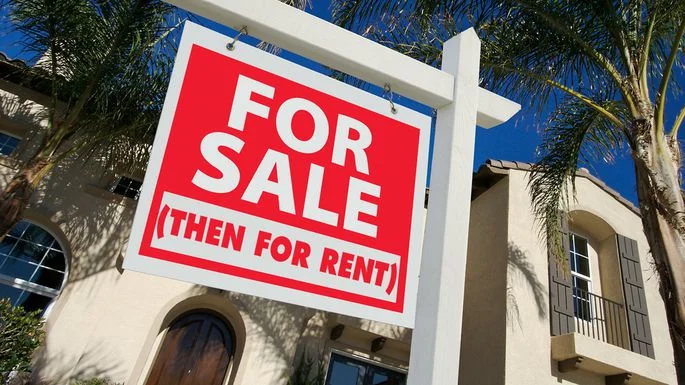
…or post-settlement occupancy agreement as it’s called in contracts. Many home sellers find themselves in a bind during the transition of selling their current home to purchasing a new one. Depending on financing, some home sellers need to sell their home in order to have the cash for a down payment on a new one. However, there is an option that keeps the sellers from having to scramble for temporary housing (typically the time after their home has sold but before they’ve settled on a new one) during the transition: a rent back.